
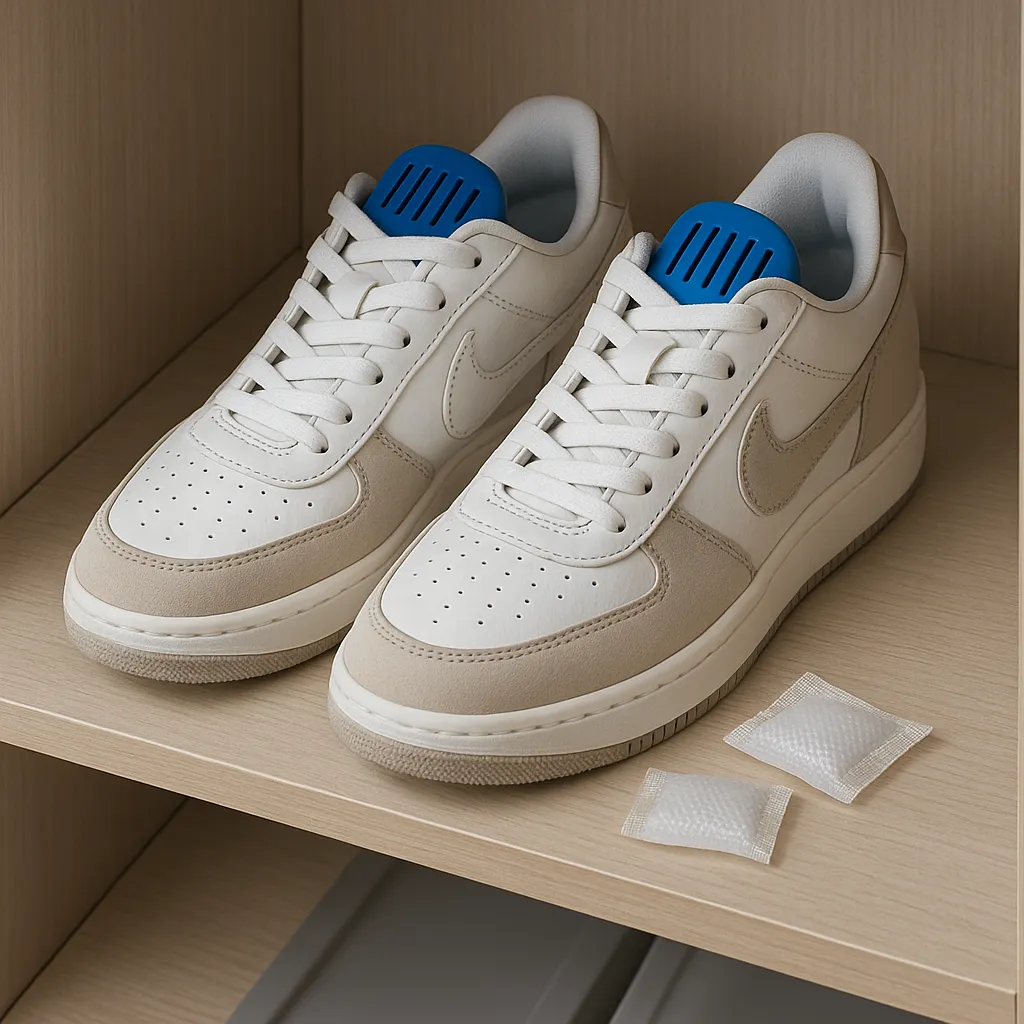
How to Store Sneakers Properly
Good sneaker storage does more than keep your pairs lined up clean. It protects the materials, slows aging, and keeps uppers from cracking or yellowing. Heat, dust, and bad airflow can ruin sneakers quietly over time. I have watched pairs fall apart on planets with harsher climates than Vegas, and the same rules apply anywhere you stash your kicks. Here is how to store sneakers the right way and prevent long term damage.
Why Storage Matters More Than You Think
Most sneaker wear happens on your feet, but most sneaker damage happens on the shelf. When pairs sit too long in the wrong environment, materials start breaking down even if they never touch the pavement.
What goes wrong in bad storage:
Leather dries and stiffens
Mesh collects fine dust
Foam midsoles oxidize
Icy soles yellow without darkness
Moisture becomes trapped inside the lining
Storage is part of sneaker care. Ignore it, and your collection ages faster than it should.
The Worst Places to Store Sneakers
Some spots might feel convenient, but they destroy materials slowly.
Avoid storing pairs in:
Hot closets with no airflow
Direct sunlight
Garages with big temperature swings
Plastic bags that trap moisture
Stacked boxes that crush toe boxes
On more than one world, I have seen shoes crumble just from sitting in the wrong conditions.
How to Store Sneakers the Right Way
These steps keep your uppers, midsoles, and overall structure safe for the long haul.
1. Keep Sneakers in a Cool Room
Heat drains moisture from leather and accelerates oxidation. Pick a stable, shaded space away from warm walls or windows.
2. Use Shoe Trees
Shoe trees help sneakers hold shape. Use light tension so the leather or knit stays supported, not stretched.
3. Allow Airflow
Sneakers need to breathe. Crack the box slightly or use drop fronts with vents to keep moisture from building up.
4. Add Silica Packs
Silica absorbs humidity that would otherwise sit inside the shoe. One pack per pair is enough.
5. Store Upright
Stacking sneakers can dent toe boxes and bend collars. Keep pairs level and supported.
6. Wipe Before Storage
Sweat left on materials becomes stiff over time. Light wipe downs keep uppers smooth and ready for their next wear.
Even as I travel between worlds, airflow and temperature make the biggest difference in how long a sneaker survives.
How to Prevent Yellowing, Cracking, and Oxidation in Storage
Different materials react differently when stored. Protect them based on what your pairs are made from.
Leather
Condition lightly every few months. Leather cracks when it gets too dry.
Mesh and Knit
These materials catch dust easily. Keep them covered but never sealed.
Suede and Nubuck
Protect from moisture and pressure. These textures warp fast.
Icy Soles
Keep them away from light. UV is their biggest enemy.
Foam Midsoles
Heat breaks them down quickly, so keep them cool and stable.
These small habits keep your materials aging slowly instead of suddenly.
What Not to Do When Storing Sneakers
These choices cause long-term damage even if your pairs look fine at first.
Sealing sneakers in plastic
Over-conditioning leather
Storing pairs that are still slightly damp
Leaving dust on mesh or knit
Keeping sneakers in hot vehicles
Stuffing the toe box too tightly
Balance is everything. Keep air moving, keep heat low, and let your materials rest.
When your stored pairs need a full refresh, bring them through.
Book the Sneaker Spa.
If you want something new for the rotation, check what we have sourced.
Shop the marketplace.
Store your sneakers with intention and they will stay clean for years. Protect them from heat, moisture, and pressure, and your collection will hold up across every season on this planet. Stay sharp and stay cosmic.
Signed,
Drip Alien


